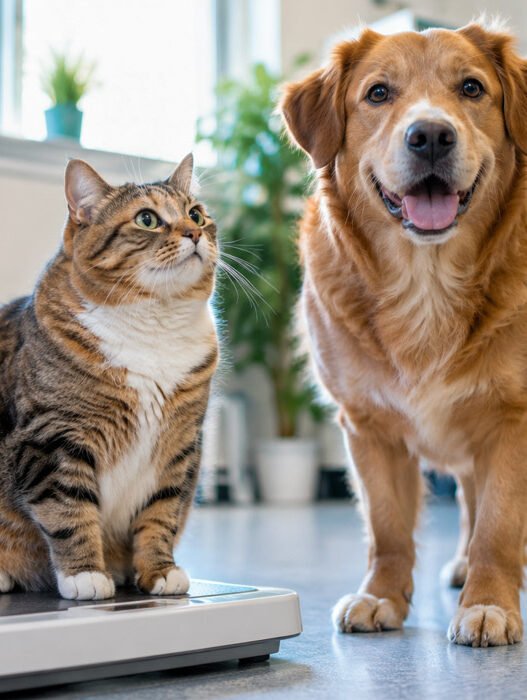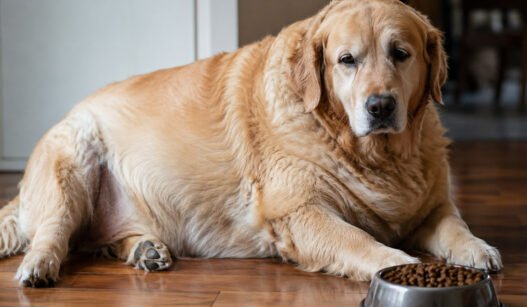
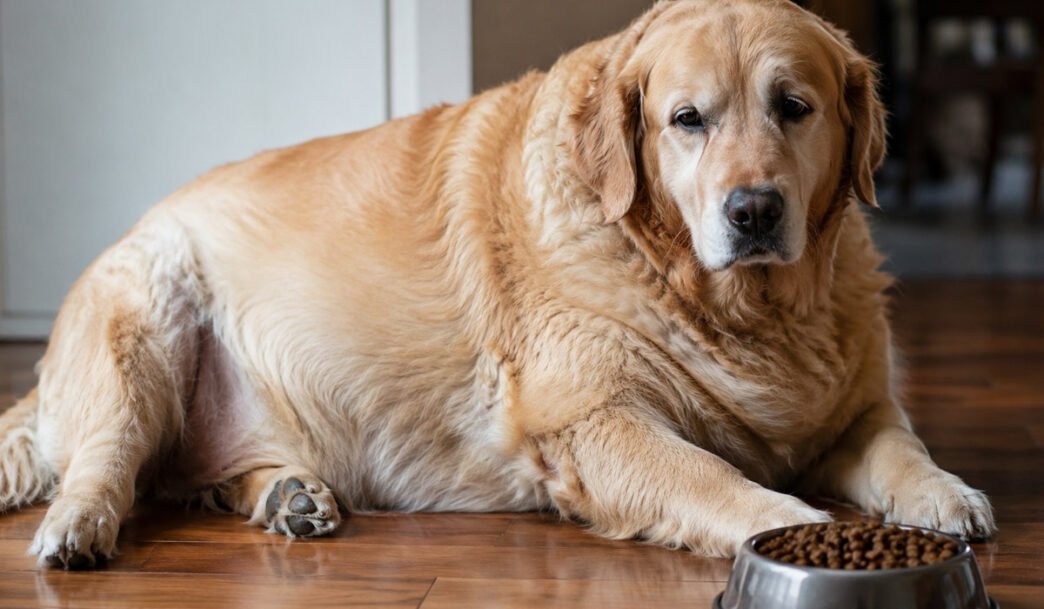
You know your pet’s body better than anyone. You notice when the collar fits tighter, when your cat looks rounder across the back, or when your dog seems heavier when you lift them into the car. Weight loss usually gets people moving fast because it feels alarming. Sudden weight gain often gets brushed off as extra treats, less exercise, or getting older. That can be a mistake, especially when helping pets stay healthy in Lincoln, Nebraska.
Why sudden weight gain in your pet can matter as much as weight loss comes down to one simple fact. A fast change in either direction can point to a health problem. Sometimes it is a feeding issue, and sometimes it is fluid retention, hormone disease, pain that reduces activity, or medication side effects. The short version is this. If your pet gains weight quickly and you cannot clearly explain why, it deserves attention from a general veterinarian.
Rapid pet weight gain can signal more than overeating
Plenty of pets gain weight slowly over time because they eat a little too much and move a little too little. That is common, and it still matters. The harder situation is when the change feels sudden. You look at your dog one month and then again a few weeks later and think, something changed. That instinct is worth trusting.
Extra body fat is one possibility, but it is not the only one. A pet may gain weight because activity dropped after an injury, arthritis started making movement painful, or a medication increased appetite. Some pets develop endocrine disease, including hypothyroidism in dogs or Cushing’s disease, which can change body shape and weight. In other cases, the number on the scale rises because of fluid in the belly or chest, which is not ordinary weight gain at all and can be more urgent.
This is where owners get stuck. If a pet still seems happy, still eats, and still wants attention, it is easy to wait. You may tell yourself you will cut back treats next week. Meanwhile, the pet may be carrying more strain on the joints, heart, and lungs, or dealing with a condition that gets harder to manage the longer it goes unchecked.
Obesity itself has real consequences. Cornell’s overview of obesity and weight loss in dogs links excess weight to arthritis, reduced quality of life, and shorter lifespan. The University of Illinois also explains in its pet obesity FAQ that even a modest increase above ideal weight can affect health. That matters because many owners do not realize their pet is overweight until the change is advanced.
Weight changes in pets affect comfort, mobility, and long-term health
A few extra pounds on a Labrador or a domestic shorthair may not sound like much, but pets are small enough that the impact adds up fast. On a cat, one or two pounds can be a major percentage of body weight. On a small dog, three extra pounds can mean the difference between healthy and obese.
You may first notice small things. Your dog lags on walks. Your cat stops jumping to a favorite perch. Your pet pants more, sleeps more, or seems stiff getting up. Those changes do not always look dramatic, and they are easy to blame on age. Sometimes age is part of the picture. Sometimes pain, excess weight, or an underlying illness is driving the change.
Sudden pet weight gain can also create a financial problem if you wait too long. Early visits often mean a body condition check, a feeding review, and basic lab work. Delayed care can turn into treatment for diabetes, advanced joint disease, skin problems, or heart and breathing issues. The FDA offers a helpful guide on questions to ask your vet about a healthy weight, and it is a good reminder that prevention is usually simpler than treatment.
Common causes of sudden weight gain deserve different responses
| Possible Cause | What You Might Notice | Why It Matters | Next Step |
| Overfeeding or too many treats | Gradual rounding, less waist definition, normal behavior | Raises risk of arthritis, diabetes, and lower stamina | Measure food, review calories, schedule a weight check |
| Less activity from pain or arthritis | Reluctance to jump, slower walks, stiffness | Weight gain and pain can feed each other | Veterinary exam for mobility and pain management |
| Medication side effects | Increased appetite, belly changes, drinking more | May need dose review or monitoring | Do not stop medication on your own; call your veterinarian |
| Hormone disease | Coat changes, low energy, body shape changes | Needs diagnosis and treatment, not just diet changes | Blood work and follow up care |
| Fluid buildup | Swollen belly, breathing changes, fast increase | Can signal heart or organ disease and may be urgent | Prompt veterinary evaluation |
Pet weight changes call for clear, practical action
- Track the change, not just the guess.
Weigh your pet if you can do it safely, then write down the date, the number, and what you have noticed. Note changes in appetite, thirst, energy, breathing, bathroom habits, and mobility. A vague feeling that your pet is heavier is useful. Real numbers and observations help your veterinarian sort out whether this looks like extra fat, fluid retention, or a body change tied to disease.
- Measure every calorie for two weeks.
Use a measuring cup for dry food or a kitchen scale if you have one. Count treats, table scraps, dental chews, and food given by other family members. Many loving owners are shocked to learn how fast snack calories add up. This step helps even if the cause is medical, because your veterinarian needs an accurate picture of intake before making a plan.
- Book a veterinary exam when the gain is sudden or unexplained.
A general veterinarian can assess body condition, check for pain, review medications, and decide whether lab work or imaging is needed. Go sooner if the weight gain comes with a swollen abdomen, trouble breathing, collapse, marked lethargy, or major changes in drinking or urination. Those signs should not wait.
A healthy weight supports a longer, easier life for your pet
You are not overreacting by paying attention to weight gain. You are doing exactly what good pet owners do. Fast changes in weight deserve the same respect as weight loss because both can be early clues that something is off. Sometimes the answer is a feeding adjustment. Sometimes it is a health issue that needs treatment. Either way, your pet is better off when you catch it early.
If your pet has gained weight suddenly, or you are not sure whether the change is normal, schedule an exam with a general veterinarian and get a clear plan for what comes next.